Thoughts& write-ups
A collection of thoughts on software development
Blog
Thoughts on software development and more.
This article explains how I use GitHub Pages to put my React projects online for free and easily share them on the internet. I detail the configuration of the package.json file, the use of the gh-pages package, and the steps to host your code with just a few commands. It's the perfect final step to conclude my learning journey, moving from local development to a functional website accessible to everyone.
I explain how I use external libraries to avoid reinventing the wheel and accelerate my development. I demonstrate how to install and integrate GSAP to create smooth animations, as well as Three.js to generate immersive 3D scenes like a rotating metal cube. These tools allow me to easily transform a static interface into a much more interactive and dynamic experience.
In this article, I demonstrate how to use React Router to navigate between multiple pages without ever reloading the browser. I explain the steps to install the library, configure the BrowserRouter, and define clear routes for components like the homepage or the "About" page. Finally, I present the use of the Link tag to create a smooth and interactive navigation bar.
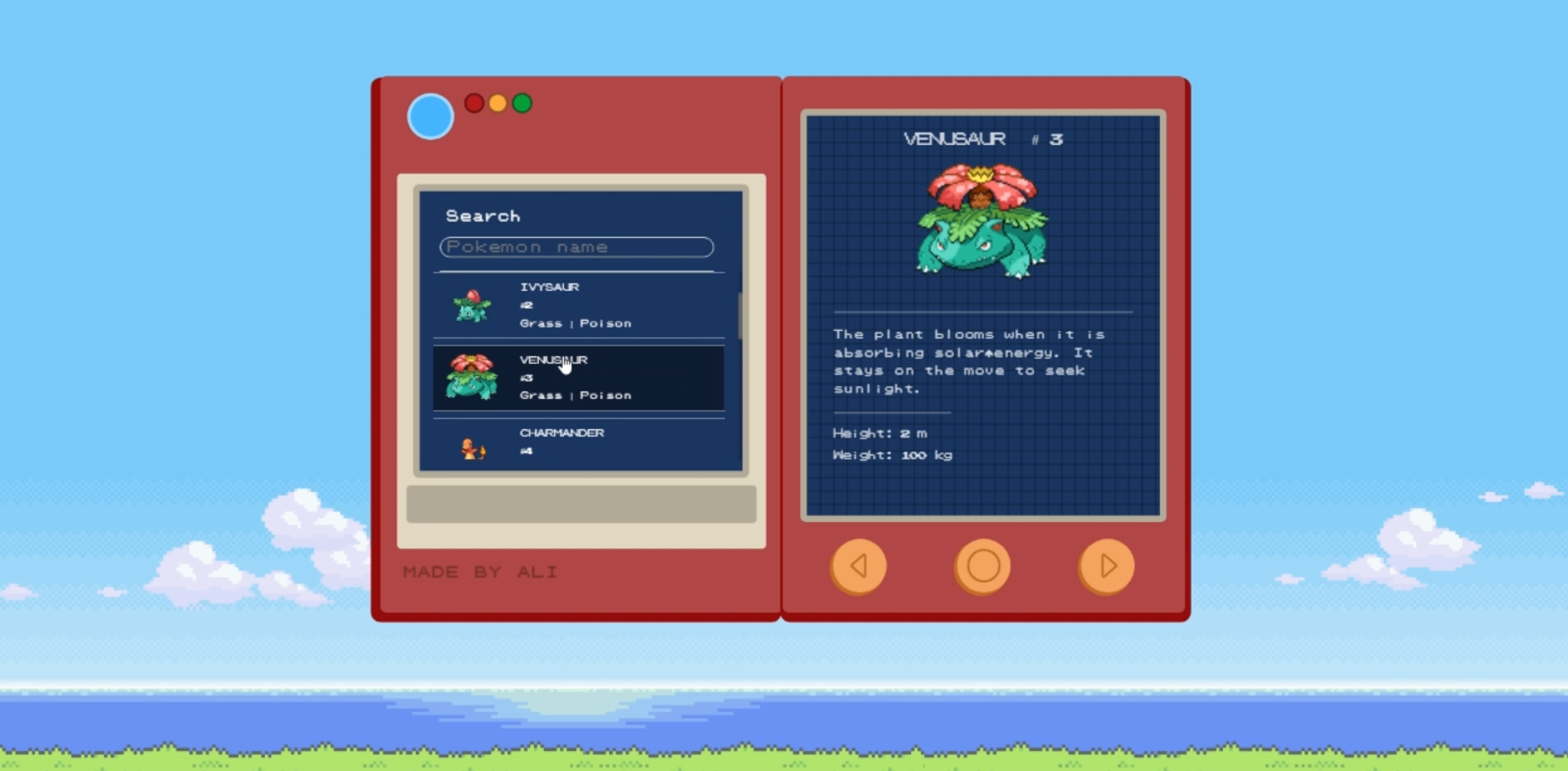
In this article, I explain how Hooks have made functional components much more powerful by allowing them to manage state and side effects. I demonstrate the use of `useState` to create an interactive counter and `useEffect` to handle automated actions like a real-time clock. Finally, I share my method for creating a custom Hook (`useFetch`), which I used to build a dynamic mini-Pokedex with the PokeAPI.
This article explains that React components are reusable blocks of code, in the form of functions, that allow you to build modular interfaces by returning JSX. It demonstrates how to create a functional component, export it, and then integrate it into an application by using it as an HTML tag. Finally, the author presents the use of “props” to pass dynamic data to these components, making the interface flexible and customizable.
It's time to put it into practice and create dynamic front-end applications. Today's blog post will focus solely on creating a React application.